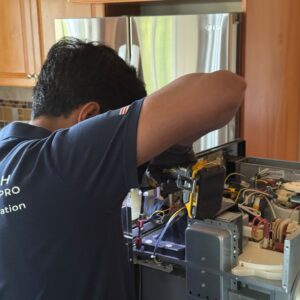

Dishwasher Installation: How to Install a Dishwasher & Complete Dishwasher Buying Guide
Installing a dishwasher can make your kitchen routine much easier, but choosing the right appliance and making sure it is installed correctly are equally important. A dishwasher needs proper water, drainage, electrical, and leveling connections to operate safely and efficiently.
Whether you are replacing an old dishwasher or installing one for the first time, this guide explains everything you need to know about dishwasher installation, how the installation process works, and what to consider when buying a new dishwasher.
Why Professional Dishwasher Installation Matters
A dishwasher may look simple to install, but incorrect installation can lead to water leaks, drainage problems, poor cleaning performance, unusual noises, or damage to your kitchen cabinets and flooring.
Professional dishwasher installation helps ensure that:
- The dishwasher is properly leveled and secured.
- Water supply connections are installed correctly.
- Drain hoses are properly connected.
- Electrical connections meet safety requirements.
- The dishwasher fits correctly under the countertop.
- The appliance is tested before the installation is completed.
A professional installation can also help identify potential plumbing or electrical issues before they become expensive problems.
How to Install a Dishwasher
The exact installation process varies depending on the dishwasher model and your home’s existing plumbing and electrical setup. However, a typical dishwasher installation involves several important steps.
- Measure the Installation Space
Before buying a dishwasher, measure the opening where the appliance will be installed.
Measure:
- Width
- Height
- Depth
Make sure there is enough clearance for the dishwasher door to open properly and for the water, drain, and electrical connections behind the unit.
- Turn Off the Water and Power
Safety should always come first. Before installation begins, the appropriate water supply and electrical power should be turned off.
If you are unsure how to safely disconnect an existing appliance, it is better to have a professional handle the process.
- Remove the Old Dishwasher
If you are replacing an existing dishwasher, the old unit needs to be disconnected carefully.
The installer will typically disconnect the water supply, drain connection, and electrical connection before removing the appliance from the cabinet opening.
- Connect the Water Supply
The dishwasher needs a reliable water supply connection. The supply line must be connected securely to help prevent leaks.
A professional installer will also check the connection for leaks before completing the installation.
- Connect the Drain Hose
The dishwasher drain hose must be connected correctly to the home’s drainage system.
A properly installed drain connection helps prevent:
- Standing water
- Slow drainage
- Backflow
- Unpleasant odors
- Drainage leaks
- Connect the Electrical Supply
Dishwashers require a safe and appropriate electrical connection. Depending on the appliance and local requirements, the electrical setup may involve a dedicated circuit, junction box, or approved outlet.
Electrical work should be handled according to local codes and manufacturer requirements. If you are not qualified to work with electrical connections, contact a professional appliance installer.
- Level and Secure the Dishwasher
A dishwasher must sit level inside the cabinet opening.
If the appliance is tilted or improperly positioned, the door may not close correctly and water may not drain properly.
The dishwasher should also be secured according to the manufacturer’s installation instructions.
- Test the Dishwasher
After installation, the dishwasher should be tested to make sure:
- Water enters correctly.
- The appliance drains properly.
- There are no water leaks.
- The door opens and closes correctly.
- The dishwasher operates normally.
Testing the appliance before completing the installation can help identify installation problems immediately.
Dishwasher Buying Guide: What Should You Look For?
If you are purchasing a new dishwasher, installation is only one part of the decision. Choosing the right appliance can make a significant difference in performance, convenience, and long-term operating costs.
- Choose the Right Size
The dishwasher must fit the available space in your kitchen.
Measure the cabinet opening before purchasing an appliance. Do not rely only on the dimensions listed for the dishwasher itself—allow space for connections and installation.
- Consider Capacity
Think about how many dishes your household typically washes.
A larger household may benefit from a higher-capacity dishwasher, while a smaller household may prefer a compact model.
- Check Energy Efficiency
Energy-efficient dishwashers can help reduce water and electricity consumption.
Look for models with strong efficiency ratings and features that match your household’s needs.
- Consider Noise Level
If your kitchen is close to bedrooms, a living room, or an open-plan space, dishwasher noise may be an important consideration.
Check the manufacturer’s noise rating before purchasing.
- Look at the Wash Cycles
Modern dishwashers can offer different cycles for different cleaning needs.
Common options may include:
- Normal wash
- Heavy-duty wash
- Quick wash
- Eco cycle
- Delicate cycle
- Sanitizing cycle
Choose a dishwasher with cycles that you are actually likely to use.
- Check the Interior Layout
The design of the racks can affect how many dishes you can fit inside the dishwasher.
Look for adjustable racks, flexible loading options, and suitable spaces for plates, glasses, cookware, and utensils.
- Consider Smart Features
Some modern dishwashers offer smart features such as app connectivity, remote monitoring, alerts, and customized washing programs.
These features can be convenient, but they are not essential for every household.
- Check Installation Requirements Before Buying
This is one of the most important steps.
Before purchasing a dishwasher, check whether the model requires any special:
- Water connections
- Drain configuration
- Electrical requirements
- Cabinet modifications
- Installation accessories
Understanding these requirements ahead of time can prevent installation delays.
Common Dishwasher Installation Problems
Improper installation can cause several common problems.
Dishwasher Leaking
A loose or incorrectly fitted water connection can cause leaks. Even a small leak can eventually damage flooring, cabinets, or surrounding areas.
Dishwasher Not Draining
A blocked or incorrectly installed drain hose can prevent the dishwasher from draining properly.
Dishwasher Not Level
An unlevel dishwasher can affect door operation, cleaning performance, and drainage.
Dishwasher Not Turning On
Electrical connection problems, circuit issues, or installation errors can prevent the appliance from operating.
Dishwasher Making Unusual Noises
Some noise is normal during a wash cycle, but unusual sounds may indicate an installation issue, an improperly positioned appliance, or an internal component problem.
Should You Install a Dishwasher Yourself?
Some homeowners with the appropriate plumbing, electrical, and installation experience may be able to install a dishwasher themselves.
However, dishwasher installation involves water and electricity, so mistakes can create safety risks or cause property damage.
If you are replacing an existing dishwasher, installing a new appliance, or dealing with unusual plumbing or electrical connections, professional installation can provide greater peace of mind.
When Should You Call a Professional?
Consider professional dishwasher installation if:
- You are installing a dishwasher for the first time.
- The cabinet opening needs modification.
- New plumbing connections are required.
- The electrical connection needs attention.
- Your old dishwasher is difficult to remove.
- The dishwasher is leaking after installation.
- The appliance is not draining correctly.
- You are unsure whether your kitchen is compatible with the new dishwasher.
Professional Dishwasher Installation from Staunch Appliance Pro
A new dishwasher should be installed correctly from the beginning. At Staunch Appliance Pro, our appliance professionals can help with dishwasher installation and setup, ensuring your new appliance is properly connected, positioned, and ready to use.
Whether you are replacing an old dishwasher or installing a new one, professional service can help you avoid common installation problems and get your appliance working properly.
Need a dishwasher installed? Contact Staunch Appliance Pro today to schedule professional appliance service.
Final Thoughts
Buying the right dishwasher is only the first step. Proper installation is essential for safe operation, efficient cleaning, reliable drainage, and long-term performance.
Before you purchase a dishwasher, measure your available space, compare capacity and features, check installation requirements, and consider your household’s needs.
And when it is time to install your dishwasher, professional installation can help ensure that the appliance is connected and set up correctly.
Staunch Appliance Pro — Professional Appliance Service You Can Trust.
Frequently Asked Questions
How long does dishwasher installation take?
A straightforward replacement installation can often be completed relatively quickly, while installations requiring new plumbing, electrical work, or cabinet modifications may take longer.
Can I install a dishwasher myself?
It may be possible if you have the necessary plumbing and electrical knowledge and the existing connections are compatible. However, professional installation is recommended when electrical or plumbing modifications are required.
What should I check before buying a dishwasher?
Check the dishwasher’s dimensions, cabinet opening, capacity, energy efficiency, noise level, wash cycles, electrical requirements, water connection, and drainage requirements.
Why is my dishwasher leaking after installation?
A loose connection, incorrectly fitted hose, damaged seal, or installation problem may cause leakage. Turn off the water supply and have the connection inspected if you cannot identify the problem safely.
Why is my newly installed dishwasher not draining?
The drain hose may be incorrectly positioned, blocked, or improperly connected. Installation configuration should be checked against the manufacturer’s instructions.
Does a dishwasher need to be perfectly level?
Yes. Proper leveling helps the door operate correctly and supports proper drainage and appliance performance.